Key takeaways
Fill, sign, and submit ANR Forklift Pre-Shift Inspection Checklist from any browser — or have AI generate a custom version in seconds. No installs, no printing, no back-and-forth.
- The Forklift Pre-Shift Inspection Checklist (Pre-Shift Inspection of Powered Industrial Trucks) ensures vehicles are safe for operation before use.
- Employers must ensure powered industrial trucks are examined daily or before every shift if used around the clock.
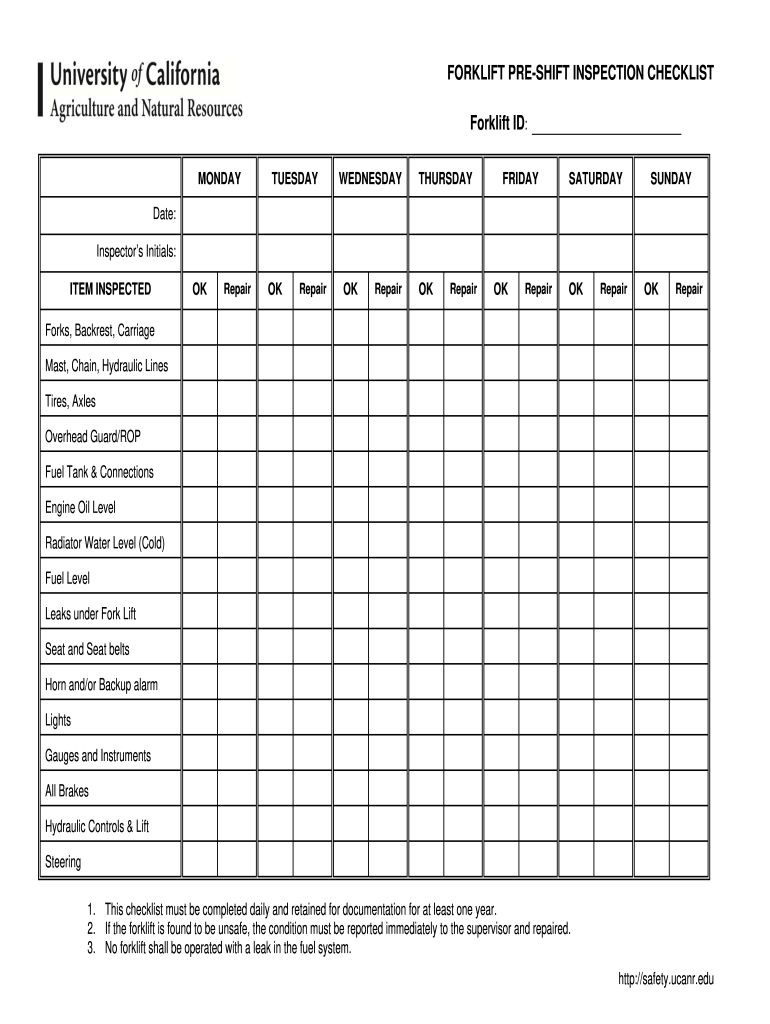
- The inspection guides operators through visual and operational checks of components like brakes, forks, tires, and safety devices.
- Operators must inspect fluid levels, hydraulic systems, battery connections, or propane tanks for leaks and proper mounting.
- Any truck found in an unsafe condition must be removed from service immediately until necessary repairs are completed.
- OSHA requires these inspections to prevent workplace accidents, injuries, and fatalities related to powered industrial truck operation.
- OSHA guidance recommends keeping written records of inspections and repairs to ensure accountability and regulatory compliance.
What is ANR Forklift Pre-Shift Inspection Checklist?
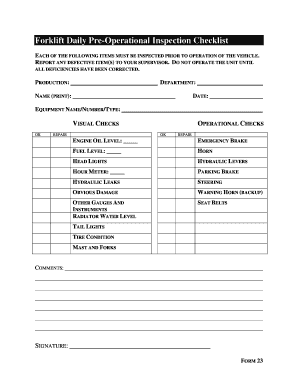
Forklift Pre-Shift Inspection Checklist is a systematic tool used to verify that powered industrial trucks are in safe operating condition before being placed into service. This document serves the vital purpose of preventing workplace accidents, injuries, and fatalities by identifying mechanical issues or unsafe conditions early. Employers are required to ensure these examinations occur daily or before each shift if the equipment is used around the clock. By following this protocol, operators confirm the integrity of the vehicle's essential systems according to established safety standards.
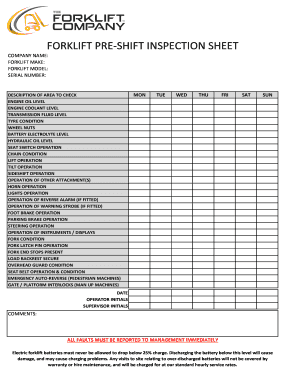
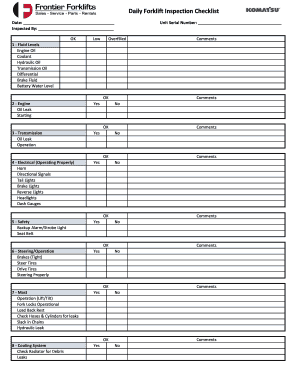
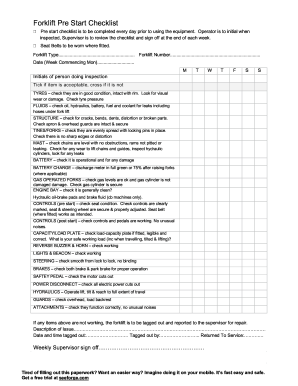
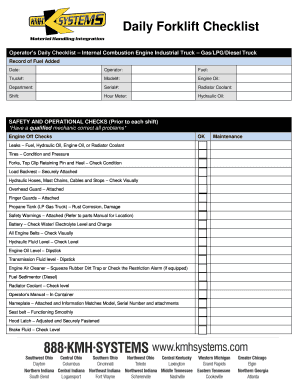
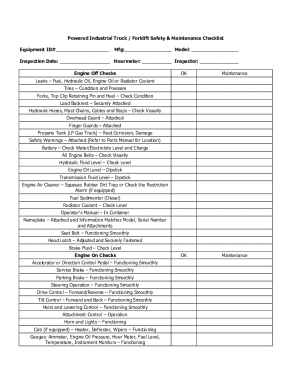
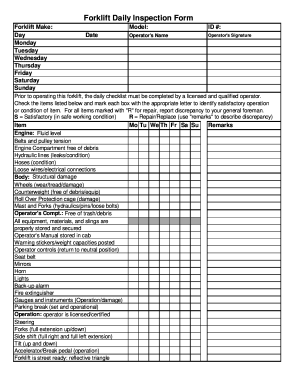
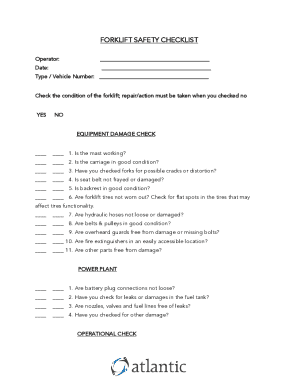
The inspection captures detailed information regarding several critical components of the vehicle to ensure operational readiness. It requires a thorough assessment of fluid levels and potential leaks, the condition of tires and wheels, and the structural stability of the mast and forks. Additionally, the daily forklift inspection form covers the functionality of safety devices like horns and backup alarms, as well as the responsiveness of controls and brakes. Operators also examine the battery or propane system and the overhead guard to identify any defects that necessitate removing the truck from service for repair.
Issued by the Occupational Safety and Health Administration (OSHA), U.S. Department of Labor.
Who needs the ANR Forklift Pre-Shift Inspection Checklist — and who doesn't
Not everyone files ANR Forklift Pre-Shift Inspection Checklist. The checklist below tells you whether it applies to your situation — and points you to the right alternative if it doesn't.
You need this ANR Forklift Pre-Shift Inspection Checklist if…
- Your employees operate powered industrial trucks such as forklifts as part of their daily work duties.
- You are an employer responsible for ensuring that industrial equipment is examined for safety before being placed in service.
- Your facility operates vehicles around the clock and requires a fresh inspection at the start of every shift.
- You need to systematically document the condition of critical components like brakes, steering, and mast forks to maintain safety standards.
You do not need this ANR Forklift Pre-Shift Inspection Checklist if…
- Your workplace does not utilize forklifts or any other type of powered industrial truck.
- The specific vehicle has already undergone a required pre-shift inspection for its current period of operation.
- The equipment is currently tagged as out of service and is not being placed into use for the shift.
Why you need the ANR Forklift Pre-Shift Inspection Checklist
Why people fill out ANR Forklift Pre-Shift Inspection Checklist, and what tends to go wrong when they don't.
-
Prevent Workplace Accidents Performing these inspections ensures that forklifts are in safe condition before use. This process helps identify mechanical defects, directly supporting efforts to prevent injuries and fatalities in industrial environments.
-
Inspect Key Systems The form guides operators through checking vital components, including fluid levels, tires, masts, and safety devices. Documenting these checks confirms that controls and brakes are fully operational before the shift begins.
-
Meet OSHA Requirements Federal regulations require that powered industrial trucks be examined daily or before each shift. Keeping these completed checklists proves compliance with OSHA standards and helps employers avoid potential safety violations.
-
Simplify Safety Reporting You can fill, complete, and share this checklist using pdfFiller's online platform. This makes it easy to manage safety documentation and send finished reports to the appropriate supervisors or departments.
What each section of ANR Forklift Pre-Shift Inspection Checklist means
Every section explained — what it's asking, the records you'll need on hand, and the mistakes that most often cause a rejection or follow-up request.
| Fluid Levels and Leaks | Check and record the current levels of oil, water, hydraulic fluid, and fuel, noting any leaks or defects found within the truck's hydraulic system. |
|---|---|
| Tires and Wheels | Document the condition and pressure of the tires, while ensuring all nuts, bolts, and fasteners are present and securely tightened before operating the vehicle. |
| Mast and Forks | Inspect the mast and forks for any signs of cracks, bends, or other structural defects that could compromise the safety of lifting operations. |
| Safety Device Functionality | Verify the proper operation of all safety equipment, including the horn, lights, backup alarm, and seatbelt, to ensure they are functioning as intended. |
| Controls and Brakes | Test and confirm the proper operation of the steering, brakes, and all other operating controls to ensure the forklift is safe to maneuver. |
| Battery or Propane System | Report battery charge and connection status for electric trucks, or check propane tanks for leaks and secure mounting on liquid petroleum gas powered models. |
| Overhead Guard Inspection | Examine the overhead guard for any cracks or defects that might impact its structural integrity and ability to protect the operator from falling objects. |
How to fill out ANR Forklift Pre-Shift Inspection Checklist using pdfFiller
A walkthrough from the first field to the signature line. With your records in front of you, most people finish in under ten minutes.
-
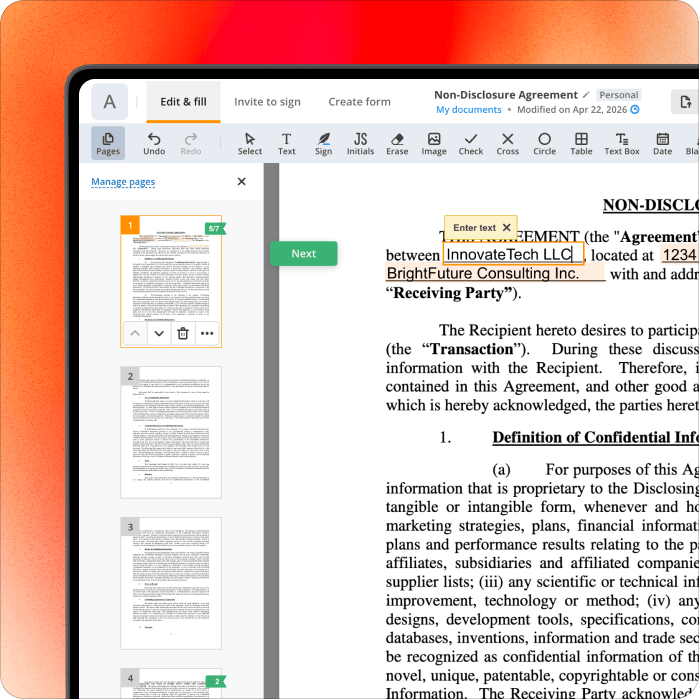
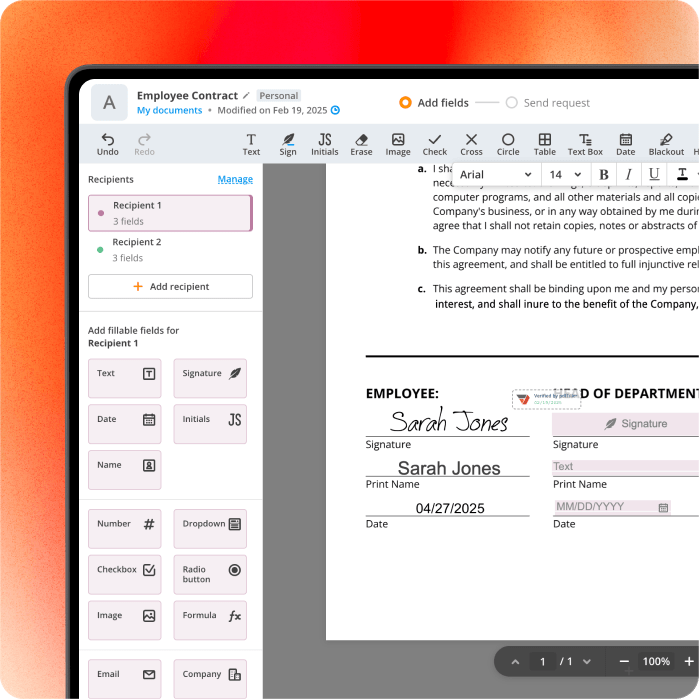
Open the Document Click Get Form to open the Forklift Pre-Shift Inspection Checklist in the pdfFiller editor to begin documenting your daily safety and maintenance checks immediately from your browser.
-
Check Fluids and Leaks Use the text or checkmark tools to record the status of oil, water, hydraulic fluid, and fuel levels, ensuring you note any leaks or defects in the system.
-
Inspect Tires and Wheels Click the designated fields on this pre-shift forklift inspection template to input tire pressure and condition, while checking for any loose nuts, bolts, or other fasteners.
-
Evaluate Mast and Forks Type directly into the form to document your inspection of the mast and forks, specifically identifying any cracks, bends, or other visible defects found during the walkthrough.
-
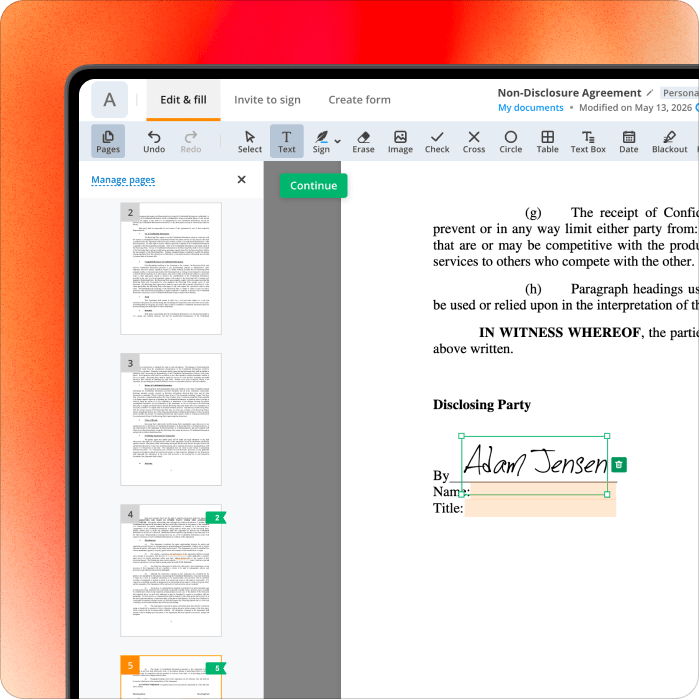
Test Safety and Controls Select the appropriate checkboxes to confirm the operation of the horn, lights, and backup alarm, and use the editor to verify that all brakes and steering controls function correctly.
-
Verify Power and Guards Complete the forklift maintenance checklist by recording battery charge or propane tank mounting status and using the annotation tools to confirm the overhead guard is free of cracks.
-
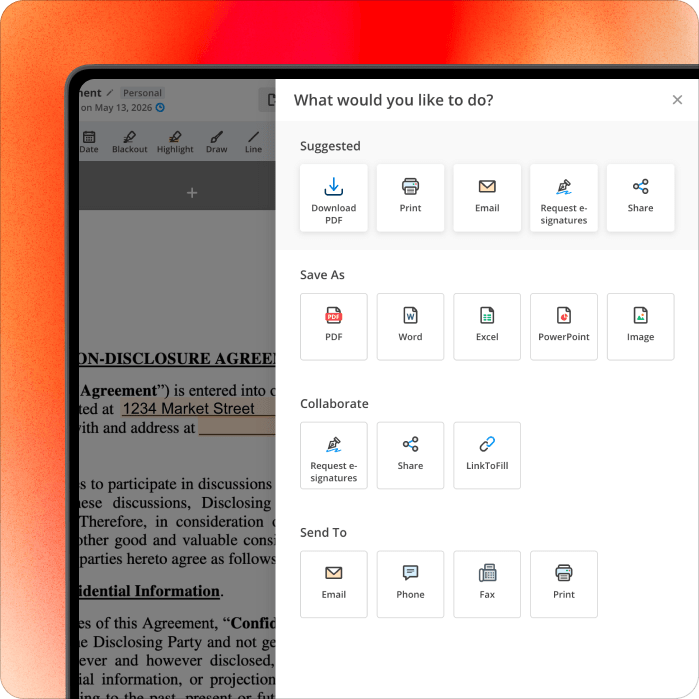
Review and Save Carefully review all entered data for accuracy before clicking Done to save your progress; you can then download the finished PDF or share it via email or link.
Deadlines, key dates & penalties for ANR Forklift Pre-Shift Inspection Checklist
When ANR Forklift Pre-Shift Inspection Checklist is due, what late filing actually costs, and how to request more time if you need it.
| Inspection Timeline | Powered industrial trucks must be examined daily before being placed in service. If the equipment is used around the clock, it must be examined before each shift. |
|---|---|
| Penalties for Violations | Employers are subject to penalties for violating Occupational Safety and Health Administration (OSHA) standards related to powered industrial trucks under 29 CFR 1910.178. Penalties vary depending on the severity and nature of the violation, including serious, willful, or repeated offenses. |
Related content
The forms, guides, and worksheets most filers reach for alongside ANR Forklift Pre-Shift Inspection Checklist.
Key terms used in ANR Forklift Pre-Shift Inspection Checklist
A one-sentence glossary of the ANR Forklift Pre-Shift Inspection Checklist terms and concepts you'll see throughout this guide.
- Powered Industrial Truck
- A category of mobile, power-propelled trucks used to carry, push, pull, lift, or stack material, including forklifts.
- Mast and Forks
- The vertical assembly and metal prongs used to lift, lower, and support loads during the truck's operation.
- Overhead Guard
- A protective structural framework designed to shield the operator from falling objects while the vehicle is in use.
- Hydraulic System
- The mechanical components, including fluid levels and lines, that power the lifting and tilting functions of the industrial truck.
- LP System
- The liquid propane fuel components, including the tank and lines, used to power certain industrial trucks.
- Pre-Shift Examination
- A mandatory safety inspection conducted daily or before each shift to ensure equipment is safe for use.
Frequently asked questions about ANR Forklift Pre-Shift Inspection Checklist
Quick answers to the questions we hear most often about completing the ANR Forklift Pre-Shift Inspection Checklist.
The purpose of the Forklift Pre-Shift Inspection Checklist is to ensure that vehicles are in safe operating condition before they are used. This systematic check helps identify defects or unsafe conditions to prevent workplace accidents, injuries, and fatalities. By using this form, employers comply with OSHA standards regarding the maintenance and operation of powered industrial trucks.
Powered industrial trucks must be examined daily before being placed in service, or before each shift if the equipment is used around the clock. This requirement under 29 CFR 1910.178 ensures that any issues developed during previous use are identified immediately. Using a daily forklift inspection form helps operators consistently verify that the equipment is safe for the upcoming shift.
Employers are required to ensure that employees who operate powered industrial trucks examine the equipment daily before it is placed in service. While the operator typically performs the visual and operational checks, the employer is responsible for ensuring these inspections occur. OSHA guidance recommends keeping written records of these inspections to maintain accountability and document equipment maintenance.
Any powered industrial truck found to be in an unsafe condition must be removed from service until it has been repaired and restored to a safe state. This protocol is mandated to prevent accidents caused by mechanical failure or defects. Once repairs are completed, the truck can be re-examined and returned to service to maintain workplace safety standards.
The Pre-Shift Inspection of Powered Industrial Trucks covers fluid levels, tires, the mast, forks, safety devices, controls, brakes, and the overhead guard. Inspectors check for leaks, cracks, and proper operation of components like the horn, backup alarm, and seatbelt. This thorough examination ensures both the mechanical integrity and the safety features of the industrial truck are fully functional.
You can use pdfFiller to fill out, complete, sign, and share the inspection form online from any web-connected device. The platform allows you to edit the PDF, add digital signatures for accountability, and store documents safely in the cloud. You can also send the completed file via email or fax to keep your safety records organized.
Yes, while federal OSHA standards set the baseline, requirements for powered industrial truck inspections may vary by state. Certain states operate their own OSHA-approved state plans which may have additional or more specific regulations. Employers should verify the specific requirements in their jurisdiction to ensure full compliance with local safety laws regarding powered industrial trucks.
Yes, employers are subject to penalties for violating OSHA standards, including those related to the daily examination of powered industrial trucks. Fines vary depending on the severity and nature of the violation, such as whether it is classified as serious, willful, or repeated. Consistent documentation helps demonstrate a commitment to safety and regulatory compliance.